
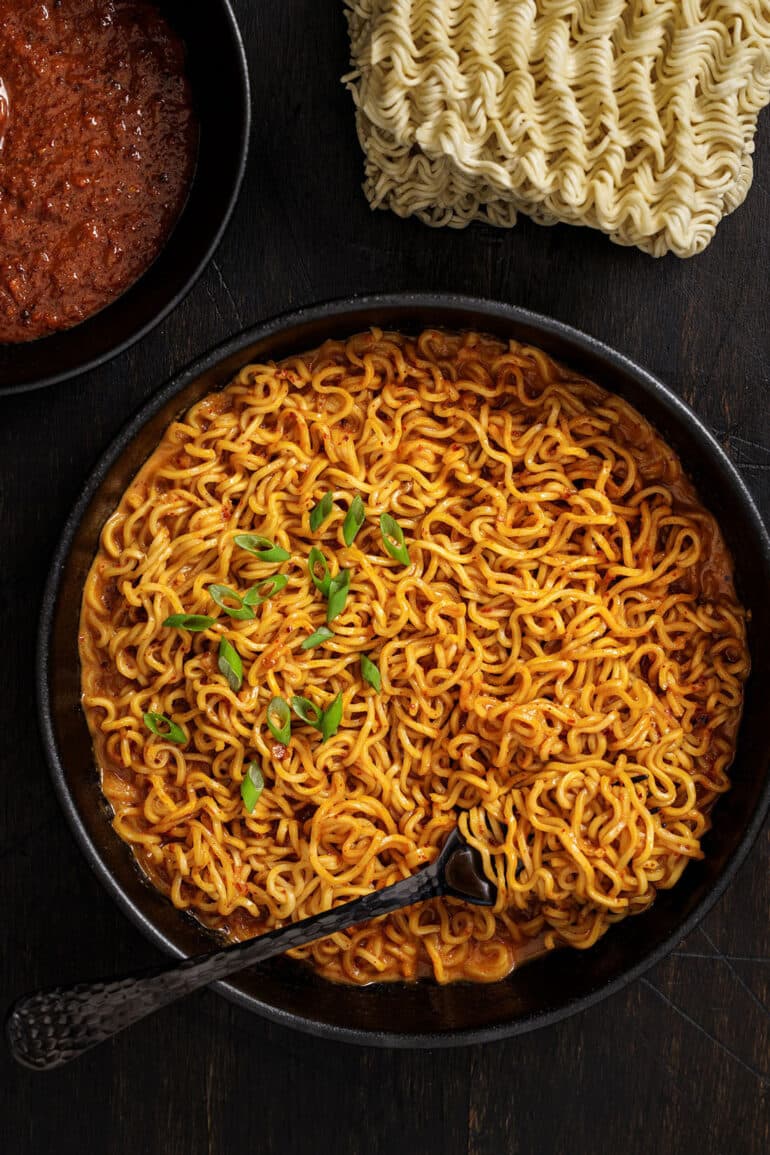
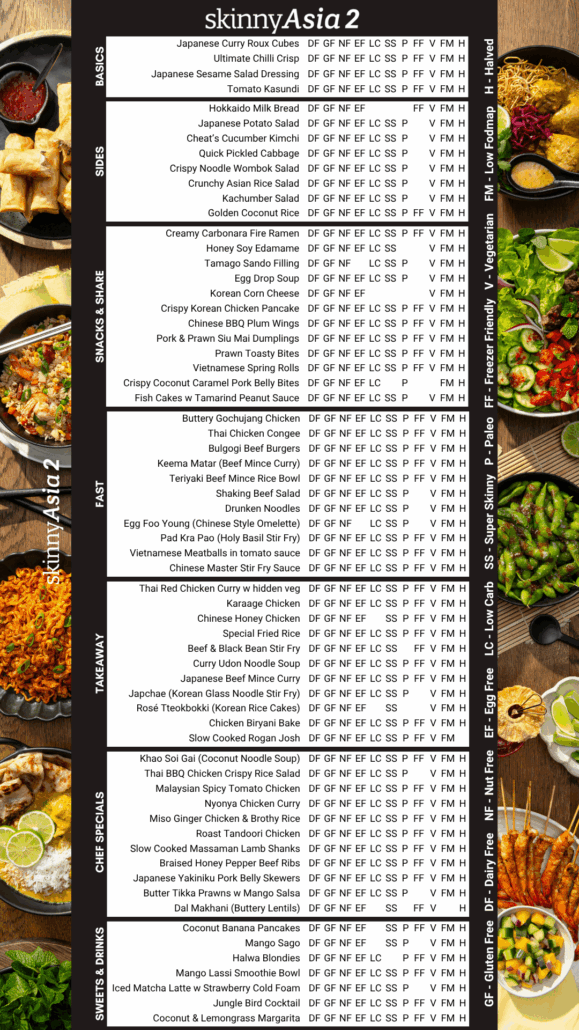
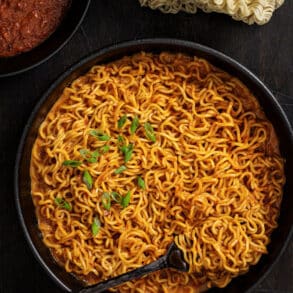
Skinnymixer’s Creamy Carbonara Fire Ramen (Buldak-style) features in the Snacks & Share section of the cookbook SkinnyAsia 2.
If the Mi Goreng from SkinnyAsia is already on regular rotation at your house, meet its spicy, creamy cousin.
Our Creamy Carbonara Fire Ramen is inspired by the viral Korean Buldak-style noodles, with a rich sauce made from gochujang, garlic, ginger, Parmesan, cream, sesame and plenty of savoury flavour.
Make one batch of concentrate, divide it into six portions, then use each portion to transform a plain instant noodle cake into a seriously good bowl of noodles in minutes.
The best part?
You control the fire.
Makes: 6 portions of Fire Ramen concentrate
Methods: Thermo cooker + Conventional
Heat: Mild-ish to VERY spicy
Noodles: Cook separately when ready to serve
How This Recipe Works
Unlike a recipe where you cook six bowls of noodles at once, you’re making a concentrated Fire Ramen sauce.
Once made, divide the concentrate evenly into six portions.
When you want a bowl of noodles:
- Cook one instant noodle cake according to its packet directions.
- Reserve a little noodle cooking water.
- Drain the noodles.
- Add them back to the pan with one portion of Fire Ramen concentrate and some reserved cooking water.
- Stir-fry briefly until glossy and coated.
This means you don’t have to make all six serves at once.
What You’ll Need for the Concentrate
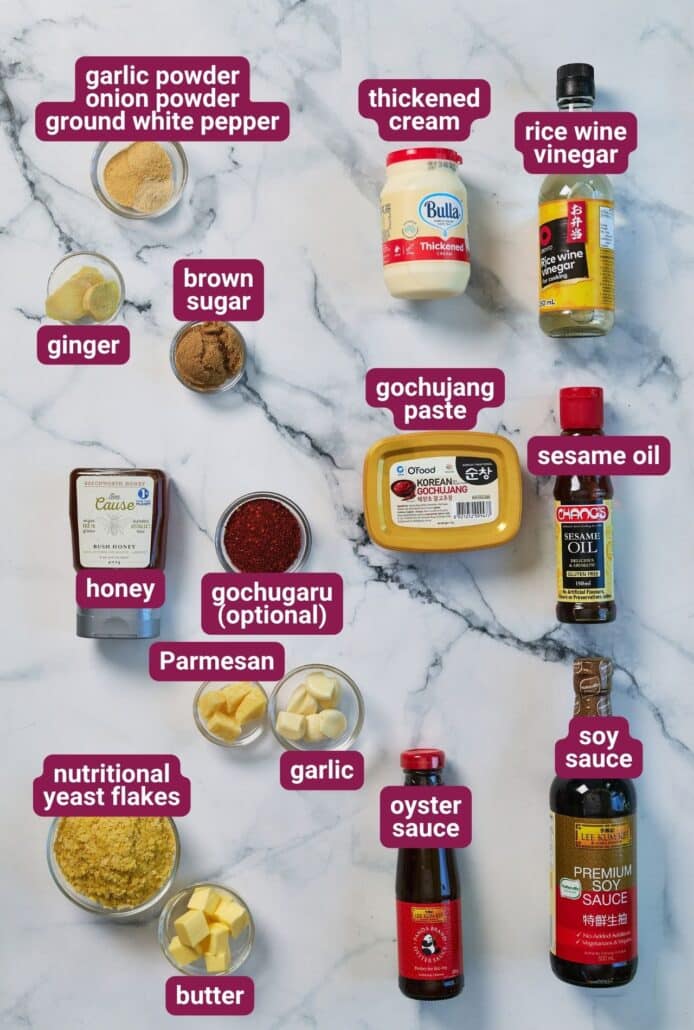
The complete quantities are in SkinnyAsia 2, but the concentrate includes:
- Parmesan
- Garlic
- Fresh ginger
- Butter
- Soy sauce
- Gochujang – gluten-free if required. You can but varying heat levels of Gochujang. The Woolworths one is gluten-free but spicier than the Coles one. Or make your own.
- Brown or coconut sugar
- Nutritional yeast
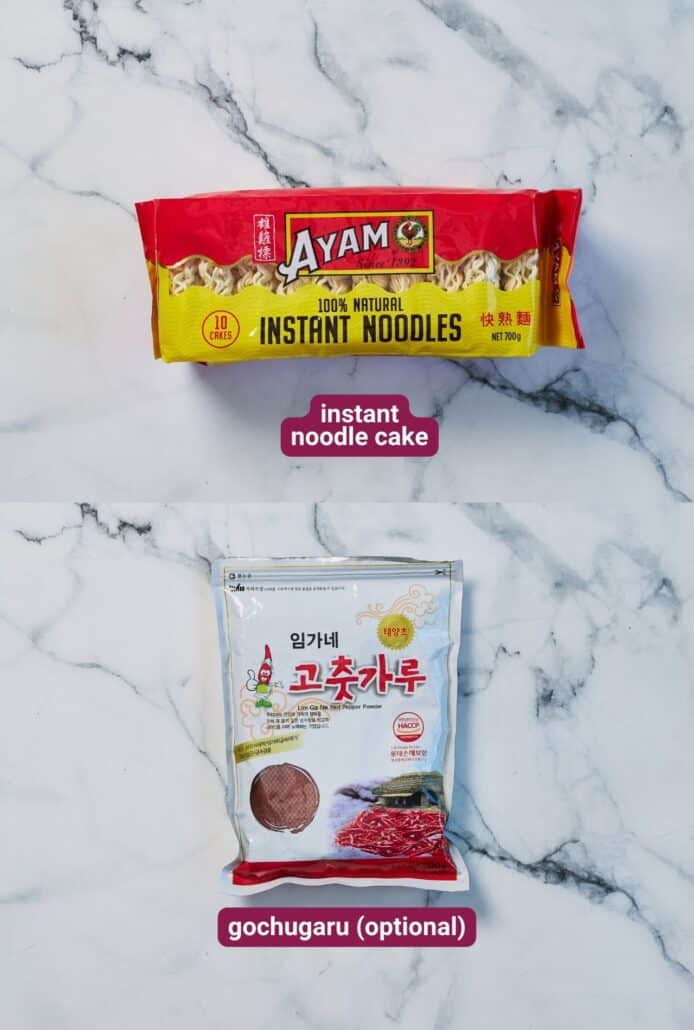
- Gochugaru, if you want extra heat – Korean chilli flakes or powder
- Honey
- Oyster sauce – gluten-free if required
- Rice wine vinegar
- Toasted sesame oil
- Garlic and onion powder
- White pepper
- Thickened cream – lactose-free or dairy-free if needed. We prefer Flora Plant-based cream for dairy-free.
It’s a BIG-flavoured concentrate, because each portion is designed to season an entire bowl of noodles.
HOW SPICY WILL MY FIRE RAMEN BE?
This is the most important thing to know before you start:
Gochujang varies significantly in heat between brands and products.
Our recipe uses 90 g gochujang for the full six-serve batch, with the option to halve it for reduced heat.
There’s also added gochugaru (Korean chilli powder), but that’s completely optional and intended for people who want to turn up the fire.
If you’re unsure about your chilli tolerance or you’re using an unfamiliar gochujang, start milder.
You can always make your individual bowl hotter.
It’s much harder to take the chilli back out.
Understanding Gochujang Heat Levels
Gochujang is a Korean fermented chilli paste made with ingredients that typically include chilli powder, fermented soybean and rice or another grain.
Depending on the product, you may find gochujang labelled with different heat levels.
Some Korean products use a numbered or chilli-based heat indicator, while others simply use descriptions such as mild, hot or very hot.
Don’t assume every red tub of gochujang has the same heat level.
Check the label of the particular product you’re buying.
If you’ve never used that brand before, taste a tiny amount before deciding how much to add.
Making Your Fire Ramen Milder
There are several ways to reduce the heat.
Use Less Gochujang
For a milder batch, halve the gochujang as suggested in the recipe.
This is the best place to start if you’re making the concentrate for a family with lower chilli tolerance.
Leave Out the Gochugaru
The gochugaru is optional.
If you don’t want your noodles particularly hot, leave it out completely.
Use More Cream
The recipe gives you a range for cream – use the higher amount for a creamier, mellower sauce.
Add Milk When Serving
When preparing an individual bowl, use milk instead of some or all of the retained noodle water.
This gives you another opportunity to soften the chilli without changing the whole batch.
Add Cheese
A little mozzarella melted over the finished noodles makes them even creamier and can also mellow the perception of the chilli.
Want it REALLY Hot?
Chilli lovers can head in the opposite direction.
Use your preferred amount of gochujang and add the optional gochugaru.
Start with the lower amount if you’re unsure.
You can also finish individual bowls with extra chilli rather than making the entire concentrate painfully hot for everyone.
Gochujang vs Gochugaru: What’s the Difference?
They sound similar, but they’re not interchangeable.
Gochujang
Gochujang is a thick Korean fermented chilli paste.
It’s spicy, savoury and slightly sweet, with fermented depth.
It’s a major part of the actual sauce in this recipe.
Gochugaru
Gochugaru is Korean chilli flakes or chilli powder.
It adds chilli flavour, colour and extra heat without the thick, fermented character of gochujang.
In this recipe, gochugaru is optional.
Think of it this way:
Gochujang = essential sauce base.
Gochugaru = optional extra fire.
What Noodles Should I Use?
You don’t need to buy expensive flavoured instant noodle packets for this recipe.
The concentrate is bringing the flavour, so you simply need an instant noodle cake of approximately 70 g per serve.
Cook the noodles according to their packet directions.
For the Gluten Free variation, choose your favourite gluten-free noodle. We particularly love sweet potato noodles.
For Low Carb and Super Skinny options, we’ve included konjac noodles.
How Saucy Should Fire Ramen Be?
These aren’t meant to be swimming in soup.
You’re looking for glossy noodles coated in a creamy, concentrated sauce.
Once the noodles, concentrate and reserved cooking water hit the pan, stir-fry them together briefly.
If the sauce looks too thick, add another small splash of noodle water or milk.
If you’ve added too much liquid, cook for a little longer while stirring.
Make it EXTRA Creamy
If you want to take your Carbonara Fire Ramen to another level, we’ve included an optional extra-creamy variation.
For each portion, whisk Kewpie mayonnaise and an egg yolk into the sauce with the reserved noodle cooking water.
This gives the finished noodles an even richer, creamier texture.
Keep the heat gentle when incorporating the yolk mixture so you create a creamy sauce rather than scrambled egg.
Make it Cheesy
Top the hot noodles with mozzarella and let it melt through.
The mild, stretchy cheese works beautifully with the spicy, creamy sauce.
It’s also another easy way to mellow a particularly hot bowl.
Dietary & Recipe Variations
DAIRY FREE
Replace the Parmesan with soaked cashews, increase the nutritional yeast and use dairy-free butter and cream.
GLUTEN FREE
Use gluten-free noodles and check your gochujang, soy sauce, oyster sauce and other packaged ingredients. Sweet potato noodles are a delicious option.
LOW CARB
Use compliant konjac noodles, omit the honey and use compliant sweetener. Follow the oyster sauce alternatives provided in SkinnyAsia 2.
SUPER SKINNY
Omit the sesame oil and serve with konjac noodles.
PALEO
Use compliant konjac noodles or zoodles, our homemade gochujang and the dairy-free variation, along with the sauce substitutions specified in the book.
LOW FODMAP
Omit the garlic and use garlic-infused olive oil. Replace honey with maple syrup, use the gochujang alternative specified in the book, replace onion powder with dried chives and use lactose-free cream.
HALVED / DOUBLED
The concentrate can be halved or doubled. Follow the adjusted cooking times in SkinnyAsia 2.
Get the Recipe
The complete Creamy Carbonara Fire Ramen (Buldak-style) recipe, including the six-serve concentrate, Thermo cooker and conventional methods, individual noodle instructions, heat adjustments and dietary variations, is available in SkinnyAsia 2.
From the Testing Team
- Krisha G. – You can see where this is going…. Buldak, fully cheese, fully rich. Added buttered pan fried gochujang prawns Then into burrito


- Kaz M. – My kids are going to lose their minds over this and i am going to save $11 a week!! I really really love this! Kids reckon its better than the packet one! Nowhere near as spicy, which is a good thing for us! Just the right amount of heat
- Tanya H. – Verdict is in! We did a side by side taste test with the Samyang packet carbonara just for fun. General consensus is that Nik’s is not as spicy, with HEAPS more flavour and much preferred!
- Shauna D. – I’ve never tried these type of noodles before, but can now confirm they are my favourite. I was even surprised that spice wuss hubby wanted to try them, though he did complain about the spice, he still ate them all. I absolutely enjoyed them and so glad I have extra portions in the freezer.
- Mel C. – Yum! We didn’t have gochugaru, and thought it had a nice little kick even without, though I’ll look for it next time I go to the Asian grocer, my husband likes things extra spicy. I’ll have to make sure I label it as extra spicy when it goes in the freezer
- Amanda E. – Oh wow!! Had no idea what to expect with this one. Sooooo much flavour!! I did find the Korean chilli, but decided not to use it. This was still quite spicy (Woolworths O’Food brand goch). Around 70gms of sauce/ serve. Delish!!!
- Jess A. – Ok so I actually didn’t like the carbonara ramen from the supermarket but this is amazing. Great flavour. Perfect consistency. I reduced the gochujang though as I just wasn’t sure how spicy it would be. 40g of paste and doubled sauce mix and it’s good.
- Chantell L. – Made it two ways tonight! One for the child with less sauce, and one for me with all the extra creamy goodness. Added a little extra cream and pasta water to make mine nice and saucy.
Safe to say both bowls were a hit and this is going to save me $$$
Some other Thermomix Noodle recipes you might love:
Want to know more about SkinnyAsia 2 cookbook?
SkinnyAsia 2 is a collection of Thermomix & Conventional cooking recipes. All of our cookbooks have a strong focus on Dairy-free, Gluten-free, Nut-free, Egg Free, Low Carb, Paleo, Vegetarian and Low FODMAP.
SkinnyAsia2: Creamy Carbonara Fire Ramen (Buldak Style)
Ingredients
- brown sugar
- mozzarella
- gochujang paste
- honey
- instant noodle cake
- nutritional yeast flakes
- oyster sauce
- rice wine vinegar
- roasted sesame oil
- soy sauce
- retained noodle cooking water
- fresh ginger
- garlic
- garlic powder
- gochugaru - optional
- ground white pepper
- onion powder
- butter
- Parmesan
- thickened cream
Instructions
- This recipe is exclusive to the SkinnyAsia 2 cookbook.
Nutrition
FAQs
How can I make the Creamy Carbonara Fire Ramen less spicy?
Start by halving the gochujang and leaving out the optional gochugaru. You can also use the higher amount of cream in the concentrate and replace some or all of the reserved noodle water with milk when preparing your individual bowl. Adding mozzarella can mellow it further.
Are gochujang and gochugaru the same thing?
No. Gochujang is a thick fermented Korean chilli paste and forms part of the sauce base. Gochugaru is Korean chilli flakes or powder and is included as an optional way to add extra chilli heat. You need gochujang for this recipe, but you can leave the gochugaru out.